How can Spa Therapies be part of a Healthy Lifestyle?
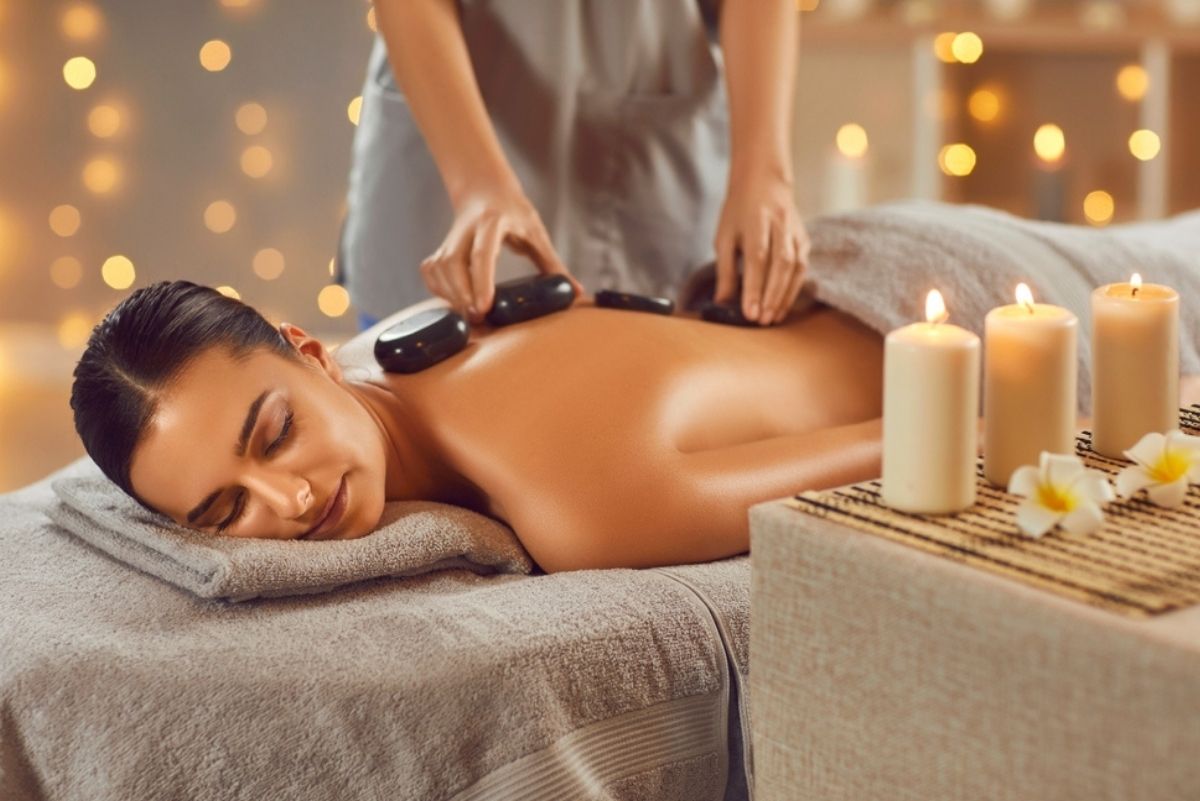
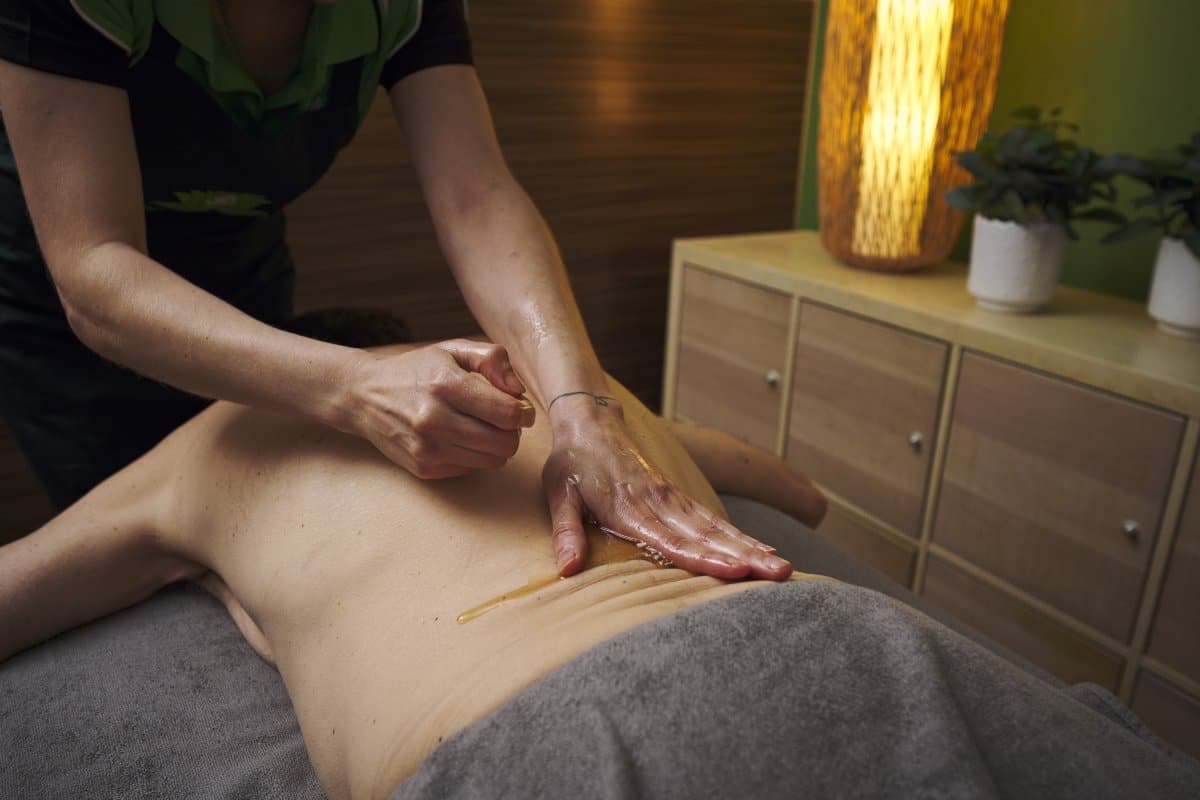
How can Spa Therapies be part of a Healthy Lifestyle? Spa therapies to be a healthy lifestyle provide essential support for the development of healthy lifestyles because they enhance both physical health and mental health. The practice of receiving spa treatments which include massages and body scrubs and relaxation therapies helps to decrease stress levels while enhancing blood flow and relieving muscle tightness. The process helps people sleep better while improving skin condition and body detoxification through toxin removal and body nourishment. The practice of using natural methods from Ayurveda can help people achieve better overall health. People who spend time at the spa develop self-care practices which enable them to experience both refreshment and rejuvenation while improving their ability to concentrate on daily activities. How do regular spa therapies contribute to long-term physical and mental well-being? Regular spa treatments lead to lasting physical and mental health benefits because these treatments help the body and mind maintain their state of equilibrium. Massage therapy delivers three main benefits which include improved blood flow and decreased muscle tightness and enhanced physical wellness. Spa treatments work together to decrease stress and bring mental peace while they assist users in achieving better sleep patterns. Diamond Massage Thane The practice of these benefits will result in better emotional states and higher physical vitality and enhanced defense mechanisms. Natural healing processes receive further support from practices which draw from Ayurvedic traditions to create physical and emotional equilibrium. The practice of spa therapy should become a daily routine because it brings continuous benefits for self-care which lead to better health and mental tranquility. Also visit our Massage Parlour in Thane Which types of spa treatments are most effective for maintaining a healthy lifestyle? Spa treatments are most effective for maintaining a healthy lifestyle Multiple kinds of spa services provide effective methods to help people sustain their wellness routines. Swedish and deep tissue massages work to decrease muscle tension while enhancing blood circulation and relieving stress. Aromatherapy treatments use essential oils to create a peaceful state for relaxation purposes. Body scrubs and wraps help maintain skin health by eliminating dead skin cells and detoxifying the body. The blood flow and body cleansing effects of hydrotherapy treatment emerge from both steam and sauna sessions. Ayurvedic treatments such as herbal oil massages help restore complete body balance. The appropriate combination of therapies becomes essential for achieving sustained physical health together with mental well-being. How often should spa therapies be included in a wellness routine for best results? The optimal outcome from spa therapies be included in a wellness routine for best results their integration into a wellness program through regular sessions that maintain proper balance between scheduled and unscheduled treatments. Experts recommend people to undergo spa treatments one or two times each month because this practice helps them relax and supports their overall wellbeing. People need to adjust their treatment schedule according to their personal requirements and their way of living and their current level of stress. People who experience high levels of stress or muscle tension need to attend therapy sessions more often while other people need to go to treatment only one time. Ayurvedic treatments achieve better results through treatment methods that require patients to follow their therapeutic schedule. People who visit spas on a regular basis experience better relaxation, improved blood flow, and sustained health benefits for both their physical and mental states. Can spa therapies complement other healthy habits like exercise and balanced nutrition? Spa therapies complement other healthy habits like exercise and balanced nutrition serve as effective supplementary treatments which enhance the benefits of healthy practices that include exercise and proper eating. Spa treatments assist recovery by providing muscle relaxation and pain relief after exercise because they help the body recover fitness. A nutritious diet supports internal health while spa therapies enhance external health through skin improvements and better blood circulation. The combination of these practices creates a more complete method for achieving wellness. Stress-reduction treatments bring mental stability which assists people in keeping up with their healthy lifestyle practices. The use of Ayurvedic practices helps people achieve body-mind balance which brings them lasting health advantages.